
Why Your Website Launch Is Only the First Draft
Suhas Rao
Most brands spend weeks getting their website live. The smarter ones also plan for what happens after. The first version gets you live. The next few months decide whether the website starts working harder for the brand.
A website launch feels like a finish line because everyone is tired by then.
The pages have gone through feedback, copy changes, spacing fixes, last-minute bugs, and mobile checks. Then the site goes live (rejoice!) and the team finally breathes.
But a launch is not the end of the website. It is when the market starts giving you better information. Some pages get clicked more. Certain offers get attention. Some sections get ignored. A case study needs to be added. The old homepage headline starts feeling slightly off.
This is where many websites begin to fall behind. Not because the design was bad, but because the site was built like a handover, not like a working system. Now, what do we mean by that?
Why Simple Website Updates Still Turn Into Mini-projects
For many teams, a small website change still moves through too many hands.
A marketer has an idea. Someone writes the copy. Someone else opens the design file. A developer gets pulled in. The change waits behind other tickets, QA, approvals, and one last tweak. It’s like an assembly line.
By the time the page is live, the moment has sometimes passed. Because it’s been through so much, being handed over from team to team, the website becomes something everyone respects. Nobody wants to touch it. That is a problem because a modern brand cannot afford to look frozen.

Launch is Where the Guessing Ends
Before launch, most decisions are still educated guesses. After launch, you start seeing the real pattern: which pages people visit, which offers create interest, which proof points sales teams use, and which sections create confusion.
That is why the website needs room to change. If the first version is treated as final, the team loses the chance to improve it when the useful information finally arrives.
The site should be ready for that learning curve.
The Gap Between Design and Deployment is Getting Smaller
This is one of the biggest shifts in website work right now. Better visual builders, cleaner publishing systems, and AI-assisted workflows are making the old handoff feel heavier than it needs to be.
That does not mean every website should be built in the same tool. A complex product, deep ecommerce system, or custom backend will still need deeper engineering. But for many brand sites, service websites, campaign pages, case study libraries, and content-led sites, the old process is often too slow.
How Framer Helps Your Website Work With Your Brand
Remember when we said that the gap between design and development is getting smaller? Framer is one of the clearest examples of that shift.
The point is not that Framer helps you make a website. Plenty of tools do that. The point is that Framer helps a lean team move from design approval to a live page without the usual Figma-to-codebase headache. The page can be designed, reviewed on a staging link, adjusted, and published from the same system.
We saw this while working on the Mothishree Forensic Solutions website. During review calls, feedback could be implemented while the client was looking at the page on an iPad or phone, so they could see how the change actually felt on the device they were using. In a Figma-to-code workflow, that would usually mean extra steps: update the design, wait for the build, check the live version again, and then send another round of fixes. Here, the review and adjustment happened much closer to the final page.
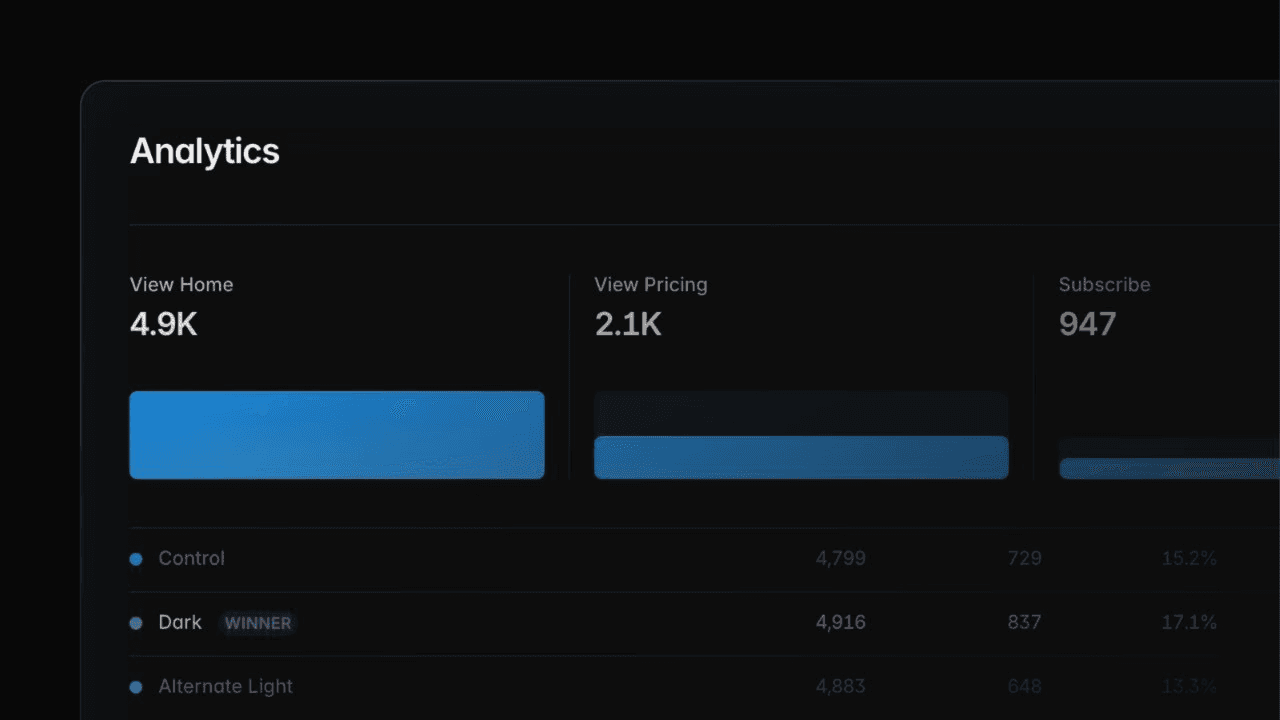
Framer accelerates workflows by allowing founders and marketers to instantly deploy landing pages, run A/B testing on critical conversion elements, and update positioning without engineering rebuilds. Additionally, teams can manage content via the Framer CMS and easily scale through built-in localization, removing the need for duplicate sites or complex handoffs.
That is the real value. Less waiting. Fewer handoffs. Cleaner ownership.
What Matters Once Your Framer Website is Live
Framer also covers the less glamorous pieces that decide whether a website is useful in the long run. Built-in SEO controls, forms, analytics, CMS, localization, staging, collaboration, and publishing tools reduce the number of moving parts around the site. For example, the same service page can keep its structure while the language, proof, currency, contact details, and calls to action change for each audience.
The reliability side matters too. Framer’s hosting is positioned around speed, scale, security, and strong uptime reliability. For larger teams, Framer’s enterprise offering adds premium hosting, stronger security, and dedicated support. It is not flashy, but it is what teams live with after launch.
A website tool can look impressive in a demo. The real test is whether the team still likes using it three months later. If the site is slow, unstable, hard to update, or painful to get help with, the tool becomes another bottleneck.
DISCLAIMER: Some Framer links in this article may be affiliate links. If you sign up through them, B-Moat may earn a commission at no extra cost to you. We recommend tools only when they make sense for the kind of website and workflow a team actually needs.
A Good Website System Keeps the Brand Honest
A website that is easy to update does not automatically make the brand better. It only makes the truth easier to show.
If your positioning has changed, the site can reflect it. If your team has better proof, you can add it. If a campaign is working, you can support it with a dedicated page. If a page is not performing, you can improve it instead of living with it.
That is also why the tool alone is not the strategy. A fast platform can help you publish quickly, but it cannot decide what your brand should say, which pages matter, or what proof the audience needs.
Build for Launch Day, but Plan for Month Six
A strong website should look good when it goes live. The better question is whether it still makes sense six months later.
Can your team update it without breaking the design? Can you add new proof without creating clutter? Can the CMS support the way your content actually grows?
If the answer is no, the launch was only half the job.
At B-Moat, we help teams plan, design, build, and maintain websites that can keep pace with the brand. Sometimes that means building on Framer. Sometimes it means recommending another route. The goal is not to force the tool. The goal is to build a website system that your team can actually use after the launch excitement fades.
If you want to explore Framer for your own website, you can start here.
And if you want a team to shape the strategy, structure, design, copy, and build for you, talk to us here: Book A Call With Us